- NEXTBULL Masterclass
- Posts
- How to Vet Crypto Projects
How to Vet Crypto Projects
Most people don’t lose money in crypto because the market crashes. They lose money because they trusted the wrong project.

Shogun Saski
December 16, 2025
One slick website. A few viral tweets. Maybe a Telegram group buzzing with “WAGMI.” Suddenly, you’re clicking buy and days or hours later, the token is worthless or the team has vanished.
If that story feels familiar, you’re not alone. In a space where new tokens and DeFi projects launch daily, knowing how to properly research a crypto project isn’t optional anymore.
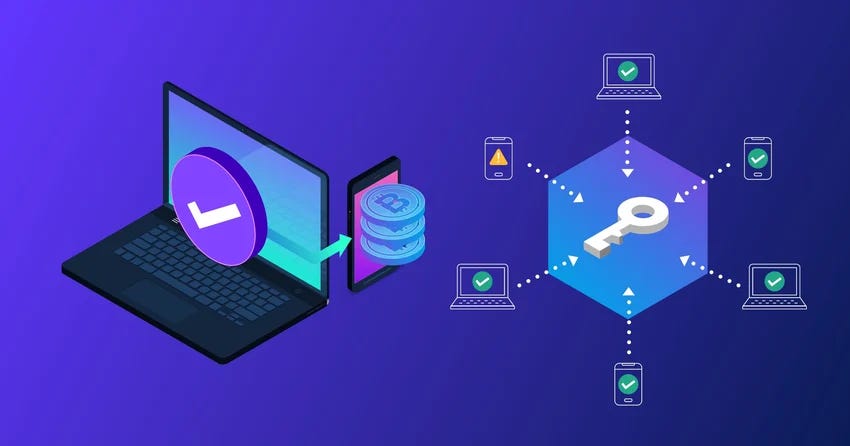
Vetting Crypto
Here’s how real due diligence actually works.
Start with the problem, not the hype. Every legitimate project should clearly answer one simple question: what problem does this solve?
If the pitch is vague “next-gen,” “revolutionary,” “community-driven” — but can’t explain why it needs a token, that’s your first red flag. Strong projects like Shonex_AI ( $SHONZ) explain their use case in plain language, not buzzwords.
Next, look at the team. Anonymous teams aren’t always scams, but they do raise risk especially for new DeFi projects. If names are public, verify them. Do they have a history in crypto or tech? Are they active on socials? Real builders leave digital footprints. Scammers hide behind logos and cartoon avatars.

Then comes the tokenomics, where many projects quietly fail. Ask yourself: Who owns the supply? Is there a massive allocation for the team or insiders? Are tokens unlocking soon? A project with aggressive vesting schedules or unclear distribution is a ticking time bomb. If insiders can dump on you, they eventually will.
Now check the smart contract. You don’t need to be a developer, but you do need to know if the contract was audited and by whom. A serious audit from a reputable firm matters. No audit, or a meaningless “self-audit,” is not confidence, it’s negligence. Also check if liquidity is locked. Unlocked liquidity is one of the most common tools used in rug pulls.

Communities
Community behavior matters more than people think. Healthy communities ask questions. Scam communities silence them. If Telegram mods ban users for asking about token supply, audits, or timelines, walk away. Transparency builds trust. Fear kills it.
Finally, follow the money and the momentum. Are developers consistently shipping updates? Is the GitHub active? Are partnerships real or just logos pasted on a website? Projects that are building don’t need to scream, they show progress.
Crypto rewards curiosity and punishes laziness. There’s no shortcut to research, but there is a shortcut to getting scammed.
The goal isn’t to avoid every bad trade. It’s to avoid the obvious traps. And once you learn how to vet projects properly, you stop gambling and start investing with intention.
If you enjoyed this breakdown, make sure to follow for more sharp crypto insights. And if you want real-time alpha that actually converts, join my Telegram community of 4,000+ traders here. The next big move always starts there.